Did you know that over 45,800 welding job openings are expected each year through 2033? This statistic highlights the growing demand for skilled workers in this field. Many people wonder, is welding hard? The truth is, while basic techniques are accessible to beginners, mastering the craft requires dedication and practice.
Students can embark on this journey without any prior experience. Most programs start with the essentials, covering safety, equipment operation, and foundational techniques. However, welding hard learn questions often arise when discussing the difference between a basic weld and producing strong, inspection-ready results.
Several factors impact progress, including the learning curve, choice of materials, and attention to detail. For beginners, options like MIG and stick welding offer a more straightforward entry point. In contrast, TIG welding demands greater coordination and precision.
Ultimately, training can lead to various opportunities, from entry-level roles to apprenticeships and certifications. While foundational skills can be developed in months, refining them may take years.
Key Takeaways
- Basic welding techniques are accessible to beginners.
- Mastery requires patience, safety awareness, and practice.
- Students can learn without prior experience.
- Progress depends on various factors, including attention to detail.
- Beginner-friendly options include MIG and stick welding.
- Training can lead to diverse career opportunities.
Introduction to Welding: Exploring the Basics
Each year, the welding industry anticipates a surge of over 45,800 job openings until 2033. This growing demand underscores the importance of understanding the craft. But what exactly does it involve?
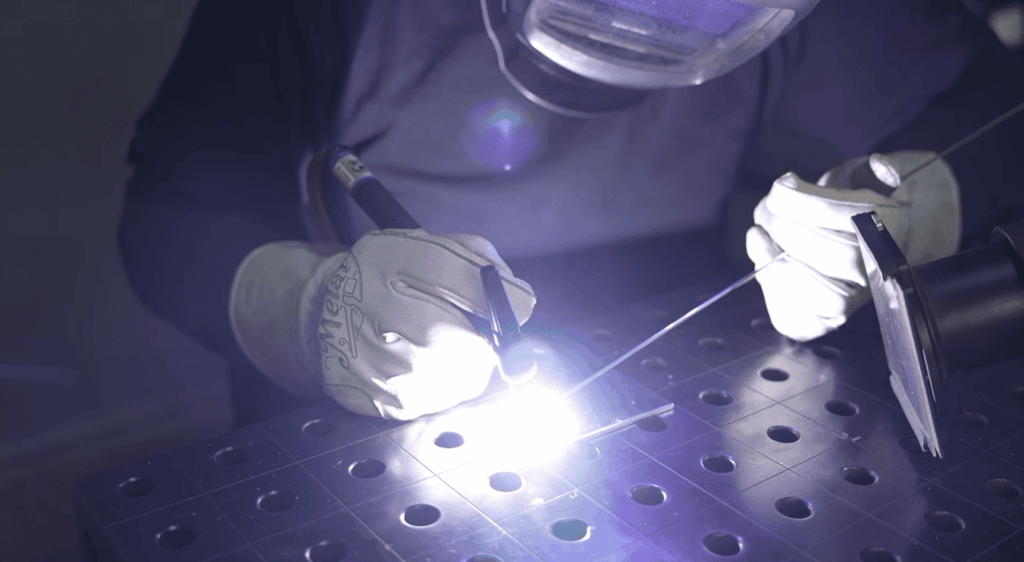
Welding refers to a fabrication process that joins metal or thermoplastics. It does this by heating surfaces until they cool and fuse into a single piece. The journey begins with preparation, where surfaces are cleaned and positioned. Next, an arc is created using an electrode or continuous wire, forming a molten weld pool.
After the pool forms, it cools and solidifies, creating a strong bond. Different methods exist, such as MIG, TIG, and stick welding. Each has unique characteristics and applications. For beginners, understanding these differences is crucial before making equipment purchases.
Early training focuses on essential skills, like controlling travel speed and recognizing acceptable welds. As one dives deeper, attention to detail becomes vital for achieving high-quality results.
“Welding requires not just skill but also a keen eye for detail.”
Is Welding Hard? Breaking Down the Learning Curve
The journey into the world of welding presents unique challenges. Understanding the learning curve can help aspiring welders navigate this complex craft. Key factors play a role in determining how difficult it may feel.
Key Factors Affecting Difficulty
- Hand coordination and spatial awareness are crucial for effective technique.
- Familiarity with equipment can significantly ease the learning process.
- Attention to detail is vital for producing quality welds.
- Common challenges include heat control, arc length, and travel speed.
Comparing Welding to Other Trades
Welding shares similarities with other hands-on trades. Each project introduces various materials, joint designs, and environmental conditions. This diversity can affect the difficulty level.
For beginners, the hardest part often involves maintaining steady control while watching the puddle. Additionally, stick welding can feel demanding initially, despite its versatility in construction and fieldwork.
Ultimately, developing judgment for selecting the right process and settings takes time and practice. Realistic expectations about physical demands, such as muscle fatigue and the need for regular breaks, will aid in this learning journey.
Beginner-Friendly Welding Techniques and Methods
For those eager to enter the world of metal joining, two techniques stand out as ideal starting points: MIG and stick methods. These approaches offer distinct advantages for beginners.
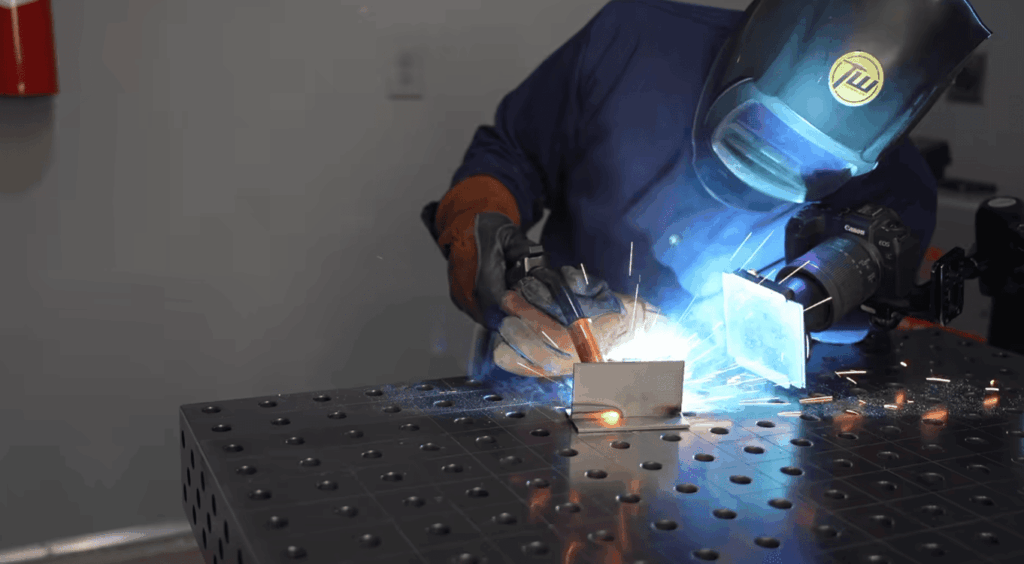
MIG Welding – The Easiest Start
MIG welding is often regarded as the most approachable method for newcomers. Its wire-feed system provides more control and lessens the coordination demands. A continuous wire electrode and shielding gas work together to create a stable arc, ensuring consistent welds.
This technique shines in automotive repair, manufacturing, and construction, where speed and repeatability are crucial. With practice, beginners can quickly learn to navigate the equipment and achieve quality results.
Stick Welding for Versatility
Stick welding offers a portable solution, making it perfect for outdoor projects and tight spaces. This method uses a flux-coated electrode, creating an arc against the base metal. After cooling, the slag left behind must be removed.
While stick welding may seem challenging initially, it’s versatile and applicable in various industrial settings. Beginners can choose between MIG’s convenience and stick welding’s adaptability, paving the way for future specialization in techniques like TIG.
“The journey of learning metal joining techniques opens doors to endless opportunities.”
A Detailed Look at Various Welding Processes
Understanding the various processes involved in metal joining can enhance your skills. Each technique offers unique benefits and challenges, making it essential to choose the right one for your project.
Shielded Metal Arc Welding (SMAW)
SMAW, also known as stick welding, is a rugged and portable process. A flux-coated electrode creates the arc while providing shielding as the coating burns. This method is popular for its versatility and ease of use.
TIG and Flux-Cored Welding Explained
TIG welding focuses on precision, utilizing a non-consumable tungsten electrode and inert gas. This method produces clean, high-quality welds but requires practice to master coordination and heat control.
On the other hand, Flux-Cored Arc Welding (FCAW) uses flux-filled wire, making it suitable for outdoor applications and thicker materials. Unlike MIG, FCAW can sometimes operate without a separate shielding gas.
Each process has its own applications, from repairs to intricate designs. Understanding these differences will help you select the best method for your needs.
Tips and Tricks for Mastering Welding Skills
Aspiring welders can benefit from practical tips to enhance their skills. Consistent practice helps improve arc control, travel speed, and positioning of the torch or electrode. These elements significantly affect the appearance of welds.
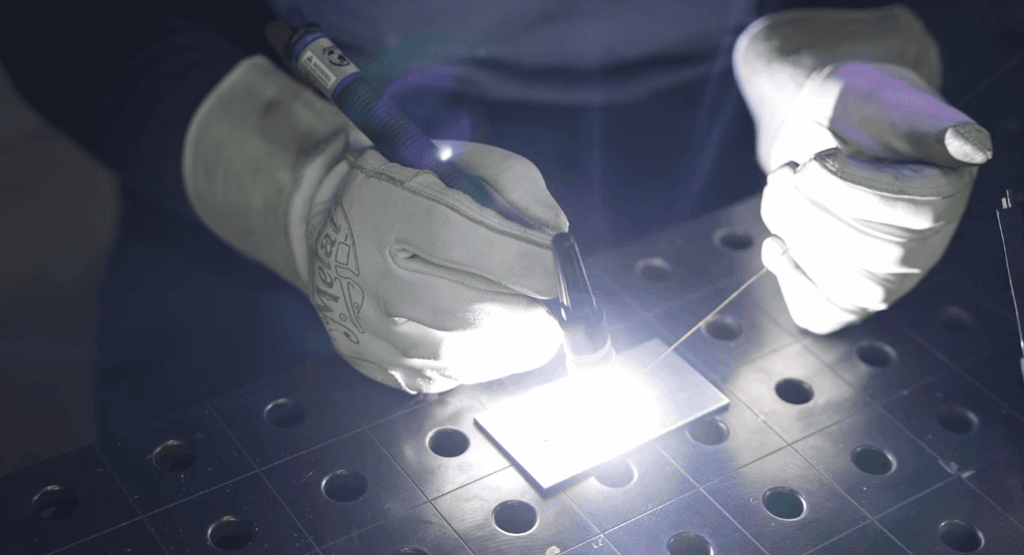
For those starting with TIG, precise coordination and clean metal are essential. A steady hand and careful heat management play a crucial role in achieving quality results.
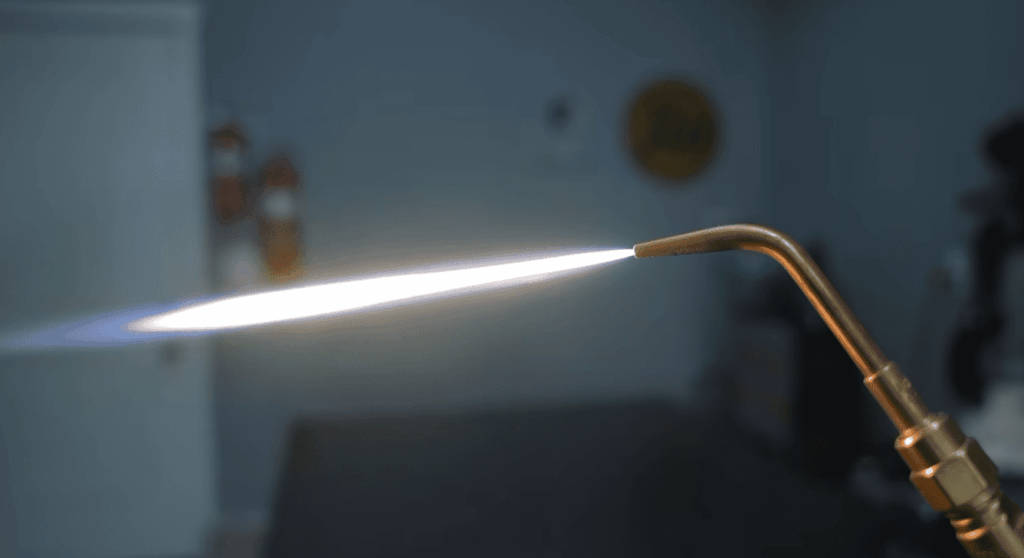
Begin with simple projects to build confidence. Gradually attempt more complex joints and positions as your skills develop.
- Practice straight beads on clean mild steel before advancing to more complex joints.
- Change one variable at a time, such as travel speed or heat, to identify what affects weld quality.
- Record machine settings, electrode choices, and metal thickness for future reference.
- Develop spatial awareness through consistent torch angles and deliberate observation of the molten puddle.
- Take scheduled breaks to maintain focus and reduce fatigue during long practice sessions.
- Inspect mistakes to gain insights into improving bead shape and penetration.
“Mistakes provide valuable lessons in the journey of mastering metal joining techniques.”
Essential Safety Guidelines for Aspiring Welders
Safety should always be a top priority for anyone stepping into the realm of metal joining. Proper protective gear and safe practices can significantly reduce risks associated with the craft.
Proper Protective Gear
Every beginner needs a properly rated welding helmet, gloves, and fire-resistant clothing. Long sleeves and protective footwear are also essential. Without suitable protection, the intense arc can damage unprotected eyes and skin.
Safe Practices in the Welding Shop
Effective ventilation is crucial since welding fumes can pose respiratory hazards. Beginners should work in well-ventilated spaces and keep flammable materials away. Always have a fire extinguisher accessible and check for smoldering materials after completing work.
- Inspect cables and secure workpieces before starting.
- Ground equipment properly to prevent electrical hazards.
- Maintain clear walkways to avoid tripping.
- Encourage regular breaks, hydration, and proper body positioning.
“Safety is not just a practice; it’s a mindset.”
Tools and Equipment Every Beginner Needs
Selecting the right tools can significantly enhance a beginner’s journey in metal joining. The right equipment ensures safety and improves skill development. Beginners should consider various factors when choosing their tools.
Choosing the Right Welding Machine
When selecting a machine, consider the intended metal thickness and available power. Compatibility with different processes and future training goals is also essential. For example, the SSimder SD-4050 Pro 10-in-1 offers 200A, pulse MIG aluminum capability, and includes a built-in plasma cutter with a three-year warranty. Alternatively, the SSimder MIG-250 6-in-1 is available for $299 and features a 40A plasma cutter with a user-friendly SYN one-knob mode.
Understanding Electrode and Shielding Requirements
Different techniques require specific electrodes and shielding gases. For instance, MIG uses continuous wire and shielding gas, while TIG relies on tungsten and inert gas. It’s important to match wire diameter, electrode classification, and shielding gas with the metal and chosen process.
| Machine Model | Features | Price |
|---|---|---|
| SSimder SD-4050 Pro 10-in-1 | 200A, pulse MIG, built-in plasma cutter | Check retailer |
| SSimder MIG-250 6-in-1 | 40A plasma cutter, SYN one-knob mode | $299 |
Basic welding math includes fractions, angles, and measurements, while advanced algebra is generally unnecessary for beginners. Following manufacturer instructions and formal training is crucial for safe equipment setup.
Training Programs and Certification Options
The demand for skilled metal joiners continues to rise, with thousands of job openings projected annually. Aspiring welders can greatly benefit from structured training programs. These programs often combine hands-on practice with theoretical knowledge, providing a solid foundation.
Many beginners can complete foundational programs in approximately 7-12 months. This timeframe varies based on curriculum structure and attendance. Community colleges and trade schools typically offer a blend of classroom instruction and practical shop experience.
STVT serves as an excellent example, offering guided instruction, safety lessons, and career support for qualifying students. Programs may prepare students for industry-recognized certifications, such as those from OSHA or AWS.
While certification can enhance job applications, it does not guarantee employment or specific job titles. Therefore, learners should evaluate instructor experience, equipment quality, and program costs before enrolling.
- Hands-on training provides immediate feedback on essential skills.
- Supervised learning helps refine techniques and improve safety practices.
- Certification preparation supports entry-level roles and apprenticeships.
Overcoming Common Challenges in Welding
Every aspiring welder faces unique challenges that can impact their learning experience. Recognizing these obstacles can help beginners improve their skills and confidence.
Incomplete welds may arise from low heat, excessive travel speed, or inadequate surface preparation. Beginners should check these factors carefully. Porosity often indicates contaminated metal or poor shielding-gas settings. This issue can be addressed by ensuring a clean work surface and proper gas flow.
Another common issue is distortion, which can occur from excessive heat or fast movement. Proper clamping of pieces is essential to maintain the intended shape. For those using stick welding, issues like a stuck electrode or excessive spatter may arise. Maintaining a steady arc is crucial.
Here are some effective strategies to improve technique:
- Diagnose incomplete welds by checking heat, travel speed, and joint preparation.
- Change only one setting at a time during practice to understand cause and effect.
- Clean joints and verify consumables before repeating a defective weld.
- Reframe mistakes as valuable feedback while stressing the importance of qualified inspections for critical welds.
| Common Issues | Causes | Solutions |
|---|---|---|
| Incomplete Welds | Low heat, excessive speed | Adjust settings, check preparation |
| Porosity | Dirty metal, poor gas coverage | Clean surfaces, verify gas flow |
| Distortion | Excessive heat, fast movement | Clamp securely, control heat |
| Stick Welding Problems | Stuck electrode, spatter | Maintain steady arc, adjust technique |
The Role of Materials and Metal Types in Welding
The choice of materials plays a crucial role in the journey of metal joining. Beginners often find that different metals come with unique challenges and benefits. Understanding these can greatly enhance skills and results.
Mild steel is an excellent starting point. It is affordable, widely available, and forgiving for those just beginning. Many learners find success with this material as they practice basic techniques.
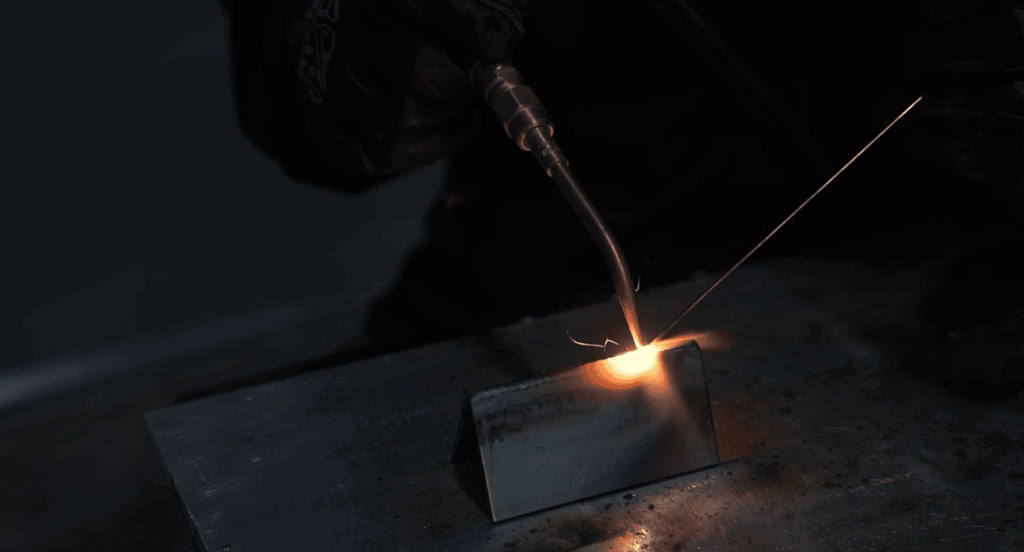
Working with Mild Steel, Aluminum, and More
Aluminum, while manageable, requires more control. This metal conducts heat differently and often needs specialized equipment, careful cleaning, and suitable wire. Choosing the right shielding gas is also essential.
Stainless steel can be tricky as it is sensitive to heat input and contamination. Beginners should be cautious, as it demands a higher level of skill to avoid distortion.
More challenging materials like cast iron and copper require advanced preparation. These may involve controlled heat, preheating, or post-weld treatment to achieve good results.
Ultimately, the correct welding process depends on factors like base-metal chemistry, thickness, and joint design. Practicing on scrap pieces from the same metal type is highly recommended.
- Mild steel is ideal for initial practice due to its forgiving nature.
- Aluminum requires careful handling and specific equipment.
- Stainless steel is more sensitive to various factors compared to mild steel.
- Advanced materials like cast iron and copper need specialized techniques.
| Metal Type | Characteristics | Recommended Practices |
|---|---|---|
| Mild Steel | Forgiving, affordable | Ideal for beginners |
| Aluminum | Conducts heat differently | Use specialized equipment |
| Stainless Steel | Sensitive to heat and contamination | Practice careful control |
| Cast Iron | Requires advanced preparation | Consider preheating |
Welding as a Future Career: Opportunities and Outlook
The job market for skilled metal joiners continues to expand, with a projected 45,800 openings each year through 2033. This growth indicates a strong demand for trained professionals in various industries.
Entry-level welders can explore numerous pathways. Opportunities exist in construction, manufacturing, automotive repair, shipbuilding, and industrial production. Each of these sectors values the skills developed through practice and training.
Career advancement can lead to roles in pipe welding, inspection, and fabrication leadership. Mastery of skills like reading blueprints, selecting materials, and controlling weld quality is essential for progression.
Foundational training typically takes 7-12 months, but true expertise may require years of consistent practice across different metals and techniques. Those familiar with MIG, stick, and TIG methods will find themselves well-positioned for diverse job opportunities.
Before choosing a specialization, it’s wise to research local employer requirements, certification expectations, and potential wages. This knowledge can guide aspiring welders toward fulfilling careers.
| Career Pathways | Industries | Potential Roles |
|---|---|---|
| Entry-Level Welder | Construction | General Welder |
| Advanced Welder | Manufacturing | Pipe Welder |
| Specialized Welder | Automotive | Inspection |
| Fabrication Specialist | Shipbuilding | Fabrication Leadership |
Conclusion
For beginners, entering the world of metal joining can feel daunting, but it’s certainly not impossible. Developing dependable skills requires safe training, consistent practice, and patience with the learning curve. MIG welding stands out as an accessible first process, while stick, TIG, and flux-cored methods each offer unique capabilities and challenges.
Choosing the right electrode, wire, shielding gas, heat level, and technique depends on the type of metal, joint, and position. Mild steel provides a practical starting point, while aluminum, stainless steel, cast iron, and copper demand more control and precision.
Safety equipment, proper ventilation, and fire prevention are essential before tackling advanced welds or fabrication projects. The career outlook in this field is promising, with opportunities in construction, manufacturing, automotive, and inspection roles. Aspiring welders should focus on structured training, deliberate practice, and gradual skill-building to achieve mastery over time.